
Garage Door Opener Repair in Springfield, IL
A dead remote or a humming motor rarely means the opener itself is the problem. We diagnose the actual cause before touching a wrench and give you honest, upfront pricing.
- Locally owned since 2013
- Insured, background-checked techs
- Free upfront quotes
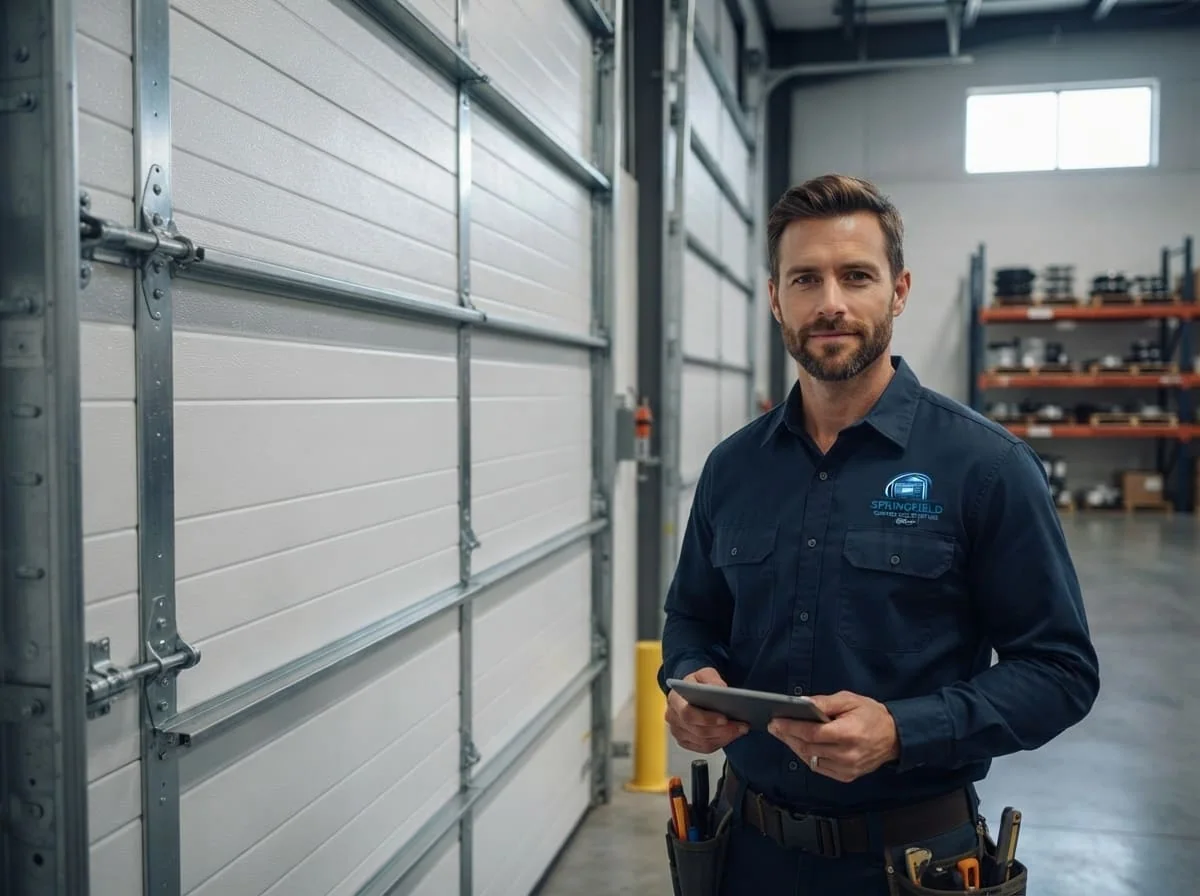
When a garage door opener stops working, most homeowners assume the motor is dying and start pricing replacements. In practice, a large share of the opener calls we run in Springfield turn out to be something else entirely: a weak or unbalanced spring making the opener strain to lift weight it was never built to carry, a stripped drive gear from months of that same strain, or a safety sensor knocked out of alignment by a stray basketball or a bump from a car bumper. The opener motor is designed to move a properly balanced door, not lift its full weight, so treating symptoms on the opener alone often misses the root cause.
Springfield Garage Door Repair Group has been diagnosing opener problems in the city and surrounding Sangamon County suburbs since 2013. Owner Grant Callahan spent his first decade working overhead doors and motor systems on state government buildings around the Capitol complex before starting this company, and the same rule applies on a residential call: check the door's balance and hardware first, then look at the opener's logic board, drive system, and sensors. That order matters, because replacing an opener that was straining against bad springs just sets up the new unit to fail the same way.
Central Illinois winters add their own wrinkle. Cold temperatures thicken the lubricant in chain and screw-drive systems, make nylon drive gears more brittle, and put extra load on start capacitors during cold starts. We see a real uptick in opener calls in Springfield every January and February for exactly these reasons, alongside the spring failures cold weather also tends to trigger.
Signs Your Opener Needs a Repair Technician
Some opener symptoms point clearly at the opener itself; others are warning signs of a spring or hardware problem wearing on the opener. Worth a service call either way:
- The motor runs or hums but the door doesn't move, or moves only partway
- The remote or wall button works intermittently, or only from certain positions
- The opener's indicator light blinks in a pattern instead of staying solid
- The door reverses immediately after touching the floor, or reverses before it closes at all
- Grinding, clicking, or popping noises coming from the motor unit itself, distinct from track or roller noise
- The keypad or remote has stopped syncing even after replacing batteries
A door that feels heavy when lifted by hand, or that slams down fast when the opener is disconnected, points toward a spring problem rather than an opener problem, even if an opener symptom is what you noticed first.
How We Diagnose an Opener Problem
Because opener symptoms so often trace back to the door hardware, every opener call starts with the door disconnected from the opener and checked by hand: does it move smoothly and stay wherever it's set, or does it feel heavy or drop on its own? That tells us in the first few minutes whether we're dealing with a genuine opener fault or a door that's been fighting its opener for weeks.
From there we test the logic board's response to the wall button and remote separately, check the safety reversal sensors for alignment and a clean line of sight, inspect the drive gear or belt/chain for wear, and check the force and travel-limit settings, which drift out of adjustment over time and cause both premature reversing and straining. Most opener units built from the last couple of decades also communicate fault information through the blink pattern on the unit itself, which narrows the diagnosis considerably once we know what to look for on that specific model.
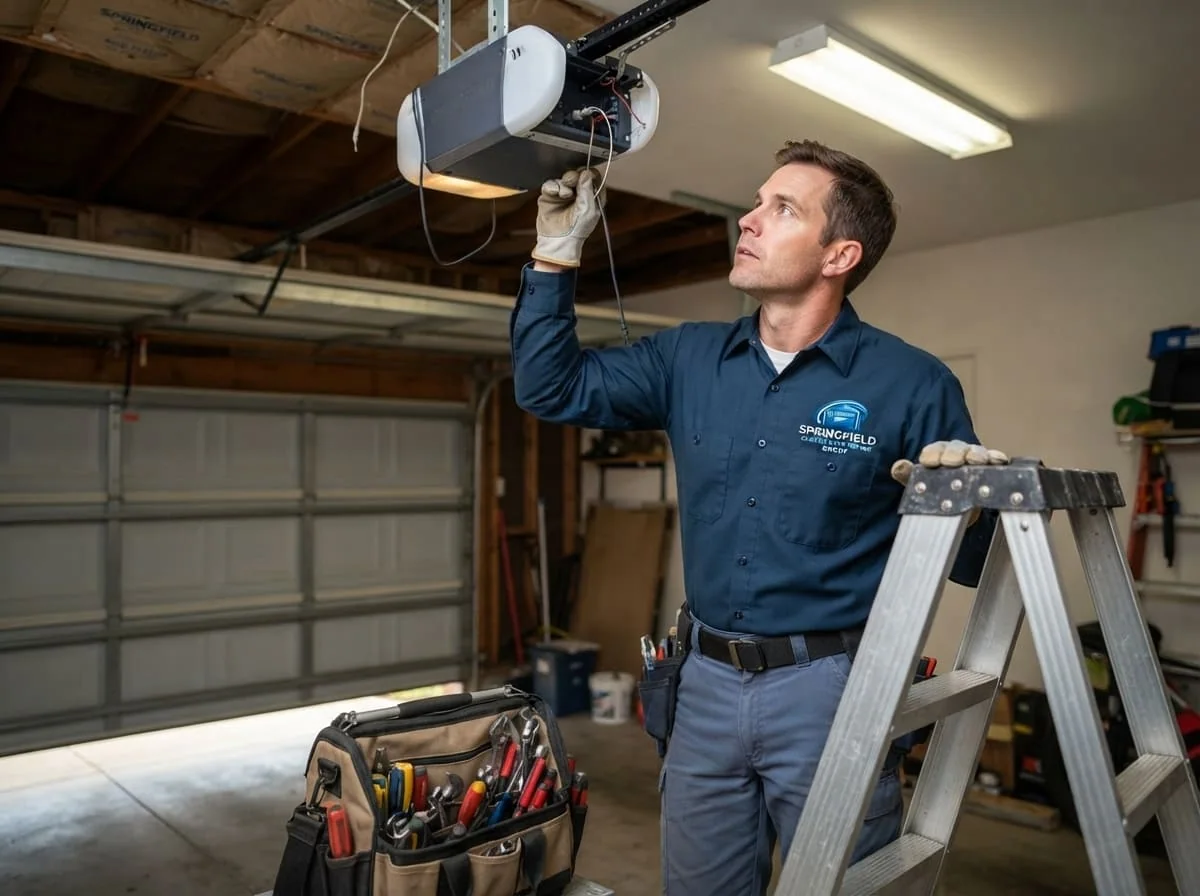
Why DIY Opener Repair Is Riskier Than It Looks
Opener troubleshooting videos make gear and sprocket replacement look straightforward, and sometimes it is. The complications show up in two places. First, the opener sits directly below a torsion spring system under real stored tension, and working underneath a door that isn't properly supported is a genuine injury risk regardless of what's being repaired. Second, misdiagnosing a spring problem as an opener problem means buying and installing a new motor unit that then fails again within months, because the underlying cause was never addressed.
Safety sensor wiring and force-limit adjustments also interact with each other in ways that aren't obvious from outside. A door adjusted to stop reversing on a false trigger can end up with reduced sensitivity to a real obstruction, which is the opposite of what those sensors exist to do. This is one repair where a quick fix that seems to work can quietly reduce the safety margin built into the system.
Opener Repair vs. Opener Replacement
Not every opener problem calls for a new unit. A stripped drive gear, worn sprocket, misaligned sensor, or failed capacitor can often be repaired or replaced as an individual part on an otherwise sound opener. Replacement makes more sense when the logic board itself has failed, when the unit is old enough that parts are difficult to source, or when the motor has been repeatedly overworked by a door problem that's since been corrected. We walk through which situation applies to your unit and explain the reasoning, rather than defaulting to whichever option is more profitable for us.
Why Springfield Homeowners Call Us for Opener Problems
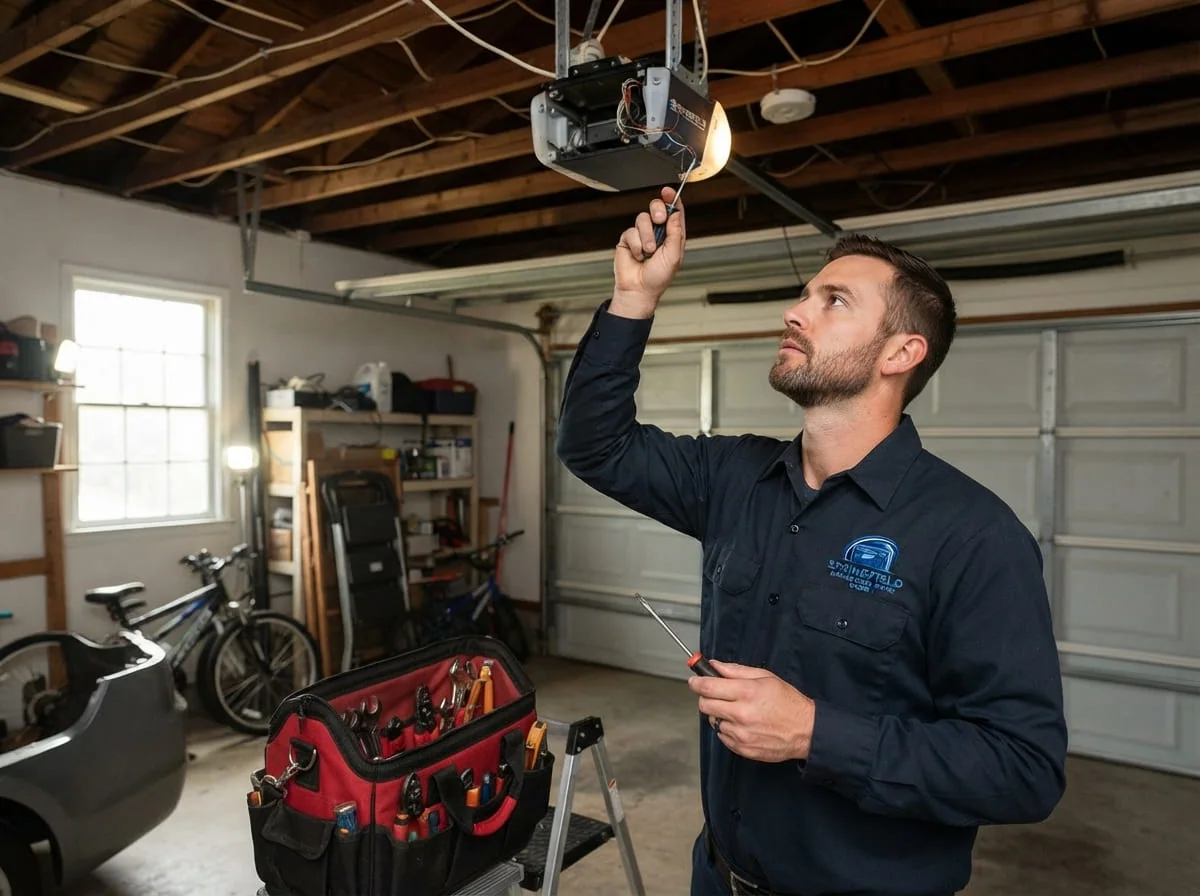
Grant Callahan founded Springfield Garage Door Repair Group in 2013 after a decade spent maintaining heavier-cycle overhead door and motor systems on state facilities around the Capitol complex, work that meant genuinely understanding the mechanical relationship between a door's hardware and whatever is powering it. That background is why we check the door before we ever touch the opener. We're locally owned and operated, our technicians are insured and background-checked, and we provide upfront, honest pricing with a free quote before any repair begins, so you know what you're approving and why.
What to Expect When You Call
Call or request service
Describe what the opener is doing, or not doing, and we'll schedule a same-day appointment where possible.
On-site door and hardware check
We disconnect the opener and check the door's balance and hardware by hand before assuming the opener is at fault.
Opener diagnostic
We test the logic board, safety sensors, drive system, and force settings to find the specific cause.
Upfront quote and repair
We explain what's wrong and quote the repair before starting any work on the opener or related parts.
Test and reprogram
We confirm smooth, full-travel operation and reprogram remotes, keypads, and the safety reversal test before we leave.
Garage Door Opener Repair in Springfield, IL FAQs
How much does garage door opener repair cost?
It depends on whether the issue is a sensor alignment, a worn gear, a capacitor, or a logic board, and whether a hardware problem elsewhere on the door contributed to the failure. We provide a free, upfront quote after diagnosing the actual cause, before any repair work begins.
Why does my opener hum but the door won't move?
This usually means the motor is straining against resistance it wasn't built to overcome on its own, most often a spring that's lost tension or a drive gear that's already stripped from prior strain. It's rarely a sign the motor itself is the original problem.
Can I fix my garage door opener myself?
Simple things like battery replacement or re-syncing a remote are fine to try yourself. Anything involving the motor unit, drive system, or force settings is riskier than it looks because the opener sits directly beneath a spring system under real tension, and misadjusted force settings can reduce the sensitivity of the safety reversal system.
What does the blinking light on my opener mean?
Most openers built in the last couple of decades use a blink pattern on the unit to signal a specific fault, and the pattern's meaning varies by model. We read the pattern on-site as part of the diagnostic rather than guessing from a general list.
Is my opener problem actually a spring problem?
Often, yes. The springs are what carry the door's weight; the opener only moves it. When springs weaken, the opener has to work harder than it's designed for, which shows up as opener symptoms even though the spring is the underlying cause.
How long does opener repair take?
Many opener repairs, such as a sensor realignment or gear replacement, are completed in a single visit. Diagnosis time varies with how the symptoms present and whether an unrelated door hardware issue needs to be addressed first.
How often should a garage door opener be serviced?
An annual check of the sensors, force settings, and drive system catches small issues, like sensor drift or early gear wear, before they cause a full failure, especially heading into Springfield's colder months.
Need Garage Door Opener Repair in Springfield, IL?
Springfield Garage Door Repair Group is ready to help — call now for a free, upfront quote.